Catanduanes is featured on Cebu Pacific's Inflight Magazine - May issue, pages 54 - 58. Hidden Treasures - Written by Edgar Alan Zeta - Yap (EAZY).
Showing posts with label Virac. Show all posts
Showing posts with label Virac. Show all posts
Wednesday, May 6, 2009

Friday, April 24, 2009
Possible Elasmosaurus and Ammonite Fossils Found
There may be fossils of marine monsters in the Silungan ning Higante site north of Dugui Too in Virac.
Last April 5-7, three staffers of the National Museum – museum curators Roberto de Ocampo and Priscila Ong, and budget officer and ISLA composer Jerry Tabirao – joined Oseas Alberto, her sister Marilyn and five guides in a grueling, eight-hour trek to the site to verify the fossil find reported last year by Mr. Alberto.
 According to the National Museum researchers, there could be fossils of ancient marine predators buried under the rock at the base of the Silungan rock formation. One of the marine monsters that could be possible found is the long-necked plesiosaur called elasmosaurus, which lived 70 million years ago. Fossils of ammonites, which lived at almost the same time, have been found by Alberto at the Silungan and he has donated his find to the National Museum.
A proper expedition to the site would need funding, something which the Museum does not have. Probably, foreign scientists could take a look at the site in the near future.
Source: Catanduanes Tribune - 22 April 2009
Last April 5-7, three staffers of the National Museum – museum curators Roberto de Ocampo and Priscila Ong, and budget officer and ISLA composer Jerry Tabirao – joined Oseas Alberto, her sister Marilyn and five guides in a grueling, eight-hour trek to the site to verify the fossil find reported last year by Mr. Alberto.
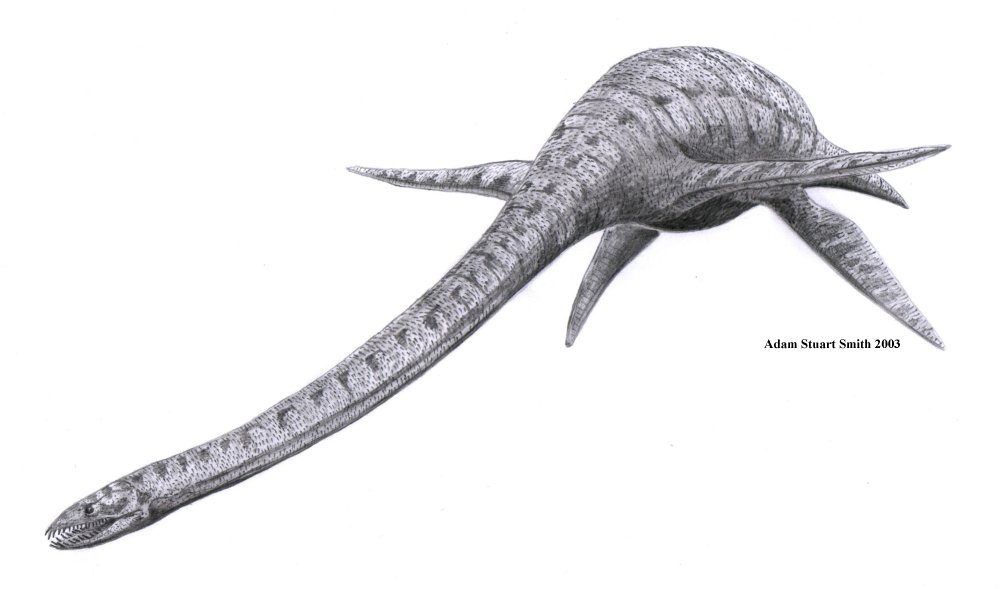 According to the National Museum researchers, there could be fossils of ancient marine predators buried under the rock at the base of the Silungan rock formation. One of the marine monsters that could be possible found is the long-necked plesiosaur called elasmosaurus, which lived 70 million years ago. Fossils of ammonites, which lived at almost the same time, have been found by Alberto at the Silungan and he has donated his find to the National Museum.
A proper expedition to the site would need funding, something which the Museum does not have. Probably, foreign scientists could take a look at the site in the near future.
Source: Catanduanes Tribune - 22 April 2009
Tuesday, March 31, 2009
Twin Rock Beach Resort
Located at Igang, Virac Catanduanes. Barely 15 minutes drive from Virac Domestic airport and around 30 minutes drive from Virac seaport. The resort can be viewed while on board the ferry boat.
Resort offers the comforts and luxury of modern day living amid the verdant surroundings. The last time I went to visit this resort was several years ago.
Took the morning flight from Manila to Virac and spend sometime here swimming and headed home later in the afternoon.
Twin Rock is apparently the most advertised and photographed resort in the island.
RELATED LINKS:
- The Road Going to North - Sights that can be seen while on the way to northern part of Catanduanes.
- Visiting Pandan - Sights and beaches in the northernmost town of Pandan.
- Lorong Point Lighthouse in Panay Island - Sunrise pictures taken at the picturesque Lorong lighthouse in Panay in the site of the former Catanduanes resort.
- Churches in Catanduanes - Spanish era coral stone churches and newer built churches.
Tuesday, March 17, 2009
Endot: Paraw Fisherman From Catanduanes
The Philippines competed at the 2008 Summer Paralympics in Beijing and Qingdao, China. The country was represented by three athletes, sailors Pedro Sollique and Cherry Pinpin in the 2-person keelboat event, sailing and Adeline Dumapong for powerlifting. The Philippine Paralympic delegation was headed by the IPC-recognized NPC, PHILSPADA, with support from the Philippine Sports Commission and the Philippine Olympic Committee.
 The PHI SKUD helm: Endot, paraw fisherman from Catanduanes, said his mom liked to eat crabs when she was carrying him.

 The PHI SKUD helm: Endot, paraw fisherman from Catanduanes, said his mom liked to eat crabs when she was carrying him.

Monday, March 9, 2009
Diamonds in the Rough
Diamonds are found among rocky terrains and mountains. Diamonds are hard to dig up and tedious to polish, but shines like no other stone.
 The same is said about doctors willing to work in underserved communities with substandard qualities of life in the Philippines.
“They chose a simple life of service over luxury,” said Phi Kappa Mu Fraternity alumnus Dr. Jose Tiongco during his opening address at the fraternity’s “Diamonds in the Rough” (DITR) Awarding ceremony last March 3 in Century Park Hotel, Manila.
Tiongco said that we should be thankful for such doctors. “Sixty-two percent of Filipinos die without seeing a doctor, 88% of doctors and nurses are abroad,” he said.
The three major awardees are doctors from Luzon, Visayas and Mindanao. All have been progressively helping their communities in terms of the population’s health and well being.
Vietrez Panganiban David-Abella, M.D. is the winner from Catanduanes, Luzon. Mennie Cabacan, M.D. is the winner helping in Eastern Samar, Visayas. Afdal B. Kunting, M.D. is the winner from Zamboanga, Mindanao.
“These doctors’ hearts are big and strong like diamonds. And our search for them is as hard as finding diamonds,” said Lucie Medina from the Rotary Club of Paco Manila who co-sponsored the event.
“It is also the Phi Kappa Mu’s 75th or diamond anniversary,” she added. Thus the name of nationwide search for young, community doctors.
Abella’s leadership
Abella’s community in Virac, Catanduanes has a population of over 64,000, but only has two physicians.
“Being a doctor in the community, I am empowered to be the leader,” she said. Being thrown to a leadership position was not one she chose, but openly embraces.
In the communities, she said, doctors are given “instant respect.”
Because people look up to Abella, she said she has the power and people’s support to solidify different organizations to improve the overall quality of life in Virac.
“It is possible that everyone improves together,” she said.
She has organized various literacy programs, Cataract missions, anti-drug campaigns, a breast cancer group and a lot more. She is doing a lot but her main project is the blood drive.
“There is so much we can give from ourselves, donating blood is so simple. But above anything else, in giving, I have to be the best person I can be to serve others well,” Abella said.
By Maria Althea Teves, abs-cbnNEWS.com/Newsbreak | 03/08/2009 6:04 PM
as of 03/08/2009 6:05 PM
Source: ABS-CBN News - Diamonds in the Rough
Sunday, February 22, 2009
Nuestra Señora de Peñafrancia
If one is to ask what title of the Blessed Virgin Mary is famous in the Bicolandia, we can definitely say that it is the Nuestra Señora de Peñafrancia, aside from the doctrinal titles of the Virgin such as Immaculate Conception and Our Lady of Assumption. “Nuestra Señora de Peñafrancia”, fondly called as “INA”, has gained enormous fame throughout the region due to the devotion that began in the year 1710 at the Metropolitan church, the Archdiocese of Naga. The then Vicar General Fr. Miguel Robles de Covarubbias brought the devotion to Naga, when he was ordained priest for the Diocese of Naga by Bishop Andres Gonzales, OP, by erecting a shrine to Our Lady of Peñafrancia, a promise that he made to the Lady for the cures and miracles he received from her.
 The original image of Our Lady of Peñafrancia was found by a French hermit named Simon Vela in “Peña de Francia” (rocky mountain along the Via Frances) in the village of San Martin de Castañar, Salamanca, Spain in the year 1434. The hermit, born on 1401 in the city of Paris, France, from a well off family, gave all the properties he inherited from his family and decided to live a celibate life dedicated to the Lady and serving in a Franciscan convent in the city.
During his meditations, the Lady appeared to her many times, sending him to Peña de Francia, a place unknown to him, to search for the image of the Lady. After a long and arduous journey from Paris, France to Salamanca, Spain, and only after some heartbreaking experiences and conquered hopelessness he did finally find the image of the Lady in the said rocky mountain. The devotion to the image then began there in Peña de Francia, a mountainous region between two Spanish provinces of Salamanca and Caceres.

From that village of San Martin de Castañar where Peña de Francia is located, the family of Fr. Miguel Robles de Covarubbias originated. His parents migrated in 17th century to Manila where Fr. Miguel took his religious and priestly formation under the tutelage of the Dominicans. From the cover picture of his book of devotion to the Lady, he asked a local sculptor to copy the picture by carving a statue of the Lady and put it in a new shrine made of straws and local materials in the place where the present Basilica of the Peñafrancia is located.
The Holy Image was canonically crowned and declared as Patroness of Nueva Caceres and the Bicol Region on September 2, 1924. The feast of the Lady was transferred from the first Sunday of July to the third Sunday of September. The feast is usually preceded by a Traslacion, the procession of the image from Basilica to Naga Cathedral, and then the novena masses and followed by a fluvial procession of the image from the Cathedral back to her Basilica. Today, the devotion to Ina has grown not only region-wide but also worldwide that the city of Naga becomes overcrowded by devotees and tourists during the whole Peñafrancia festival.
Written by Rev. Fr. Orly Mendoza
 The original image of Our Lady of Peñafrancia was found by a French hermit named Simon Vela in “Peña de Francia” (rocky mountain along the Via Frances) in the village of San Martin de Castañar, Salamanca, Spain in the year 1434. The hermit, born on 1401 in the city of Paris, France, from a well off family, gave all the properties he inherited from his family and decided to live a celibate life dedicated to the Lady and serving in a Franciscan convent in the city.
During his meditations, the Lady appeared to her many times, sending him to Peña de Francia, a place unknown to him, to search for the image of the Lady. After a long and arduous journey from Paris, France to Salamanca, Spain, and only after some heartbreaking experiences and conquered hopelessness he did finally find the image of the Lady in the said rocky mountain. The devotion to the image then began there in Peña de Francia, a mountainous region between two Spanish provinces of Salamanca and Caceres.

From that village of San Martin de Castañar where Peña de Francia is located, the family of Fr. Miguel Robles de Covarubbias originated. His parents migrated in 17th century to Manila where Fr. Miguel took his religious and priestly formation under the tutelage of the Dominicans. From the cover picture of his book of devotion to the Lady, he asked a local sculptor to copy the picture by carving a statue of the Lady and put it in a new shrine made of straws and local materials in the place where the present Basilica of the Peñafrancia is located.
The Holy Image was canonically crowned and declared as Patroness of Nueva Caceres and the Bicol Region on September 2, 1924. The feast of the Lady was transferred from the first Sunday of July to the third Sunday of September. The feast is usually preceded by a Traslacion, the procession of the image from Basilica to Naga Cathedral, and then the novena masses and followed by a fluvial procession of the image from the Cathedral back to her Basilica. Today, the devotion to Ina has grown not only region-wide but also worldwide that the city of Naga becomes overcrowded by devotees and tourists during the whole Peñafrancia festival.
Written by Rev. Fr. Orly Mendoza
Saturday, December 27, 2008
The Php 105 million: Boon or Bane?
The approval of the governor-initiated Php 105 million loan by the Sangguniang Panlalawigan can be construed as Christmas gift of the legislative body to the executive branch.
 Probably in the spirit of the Christmas season, the SP headed by Vice Gov. Alfred Aquino decided to approve almost the entire amount of Php 111 million.
Imagine if as originally planned, only Php 56 million was allowed, the administration would suffer a substantial setback in terms of fund-sourcing for its Real Property Tax Administration Enhancement Program (RPTAEP) etc.
Animosities and bad blood were avoided. The executive, and the legislative had “meeting of minds”.
Consequently, Gov. Joseph C. Cua and his economic/financial managers are now grinning from ear to ear. Now it would be safe to say that whatever Gov. Cua wants, Cua gets.
History will tell, however, whether the decision to avail said loan by the provincial government is a good decision or not. For the record, it was only PBM Shirly A. Abundo who objected to such substantial loan.
The workaholic and approachable legislator have yet to see a feasibility study which according to her is very important..
Accordingly, almost all of the PBMs have capitulated to the wishes of the executive department.
The way it seems, the fiscalizing function of the SP had been nipped-in-the-bud ab initio. Majority of the SP members are pro-administration. Hence, the smooth sailing of the Cua administration.
Well, as long as it is for the good of the province, no problem. Some quarters, however, are apprehensive of such multi-million-peso loan.
Successful or not, the province will have to shoulder the millions of pesos for its principal loan and interests.
The bottom-line is the 10-year period of payments. “Tapos na ang term of office ni Gov. Cua, assuming that he can serve for three terms, patuloy pa rin magbabayad ang provincial government,” one observer said in Taglish.
“Tapos na ang term of office ng mga PBMs kasama na si Vice Gov. Aquino, tuloy pa rin ang financial obligation ng provincial government,” the man added.
With the IRA to be used as guarantee, the general public hopes and prays that the financial managers and technocrats in the Capitol will not bungle in their decision.
Otherwise, woe unto the persons responsible for such decision to avail of multi-million loan.
Nevertheless, optimist that we are, this publication joins the thousands of taxpayers who wish our local leaders the best of luck in their attempt to chart a progressive island province.
Merry Christmas and Prosperous New Year KAPERYODIKO!
source: Bicol Peryodiko Editorial
Probably in the spirit of the Christmas season, the SP headed by Vice Gov. Alfred Aquino decided to approve almost the entire amount of Php 111 million.Imagine if as originally planned, only Php 56 million was allowed, the administration would suffer a substantial setback in terms of fund-sourcing for its Real Property Tax Administration Enhancement Program (RPTAEP) etc.
Animosities and bad blood were avoided. The executive, and the legislative had “meeting of minds”.
Consequently, Gov. Joseph C. Cua and his economic/financial managers are now grinning from ear to ear. Now it would be safe to say that whatever Gov. Cua wants, Cua gets.
History will tell, however, whether the decision to avail said loan by the provincial government is a good decision or not. For the record, it was only PBM Shirly A. Abundo who objected to such substantial loan.
The workaholic and approachable legislator have yet to see a feasibility study which according to her is very important..
Accordingly, almost all of the PBMs have capitulated to the wishes of the executive department.
The way it seems, the fiscalizing function of the SP had been nipped-in-the-bud ab initio. Majority of the SP members are pro-administration. Hence, the smooth sailing of the Cua administration.
Well, as long as it is for the good of the province, no problem. Some quarters, however, are apprehensive of such multi-million-peso loan.
Successful or not, the province will have to shoulder the millions of pesos for its principal loan and interests.
The bottom-line is the 10-year period of payments. “Tapos na ang term of office ni Gov. Cua, assuming that he can serve for three terms, patuloy pa rin magbabayad ang provincial government,” one observer said in Taglish.
“Tapos na ang term of office ng mga PBMs kasama na si Vice Gov. Aquino, tuloy pa rin ang financial obligation ng provincial government,” the man added.
With the IRA to be used as guarantee, the general public hopes and prays that the financial managers and technocrats in the Capitol will not bungle in their decision.
Otherwise, woe unto the persons responsible for such decision to avail of multi-million loan.
Nevertheless, optimist that we are, this publication joins the thousands of taxpayers who wish our local leaders the best of luck in their attempt to chart a progressive island province.
Merry Christmas and Prosperous New Year KAPERYODIKO!
source: Bicol Peryodiko Editorial
Tuesday, December 9, 2008
COA Report - 2007
VIRAC, Catanduanes - Analyzing the financial condition of this province, the Commission on Audit in its 2007 report said the island province’s condition was not financially sound since the cash available at the time the audit was made was only P159.6 million where its total liability was 169.6 million., or a negative balance of P10 million.
 With the liquidity ratio of .94 to 1, according to the COA report, this means that the province has no sufficient cash to pay or liquidate its current and long-term obligations.
It noted further that current assets of P272.10 million was higher than the total liabilities of P169.6 million, or a current ratio of 1.6 to 1 which meant that the provincial government was solvent to meet its current obligations.
Catanduanes became an independent province on October 24, 1945, thru Commonwealth Act 687. However, it was RA 7160 which gave local government units total independence in managing its administrative affairs, in conformity with the national government thrust for sustainable and economic growth.
The COA also noted that the P20.5 million it contracted with the World Bank SRRIP thru the Department of Interior and Local Governments was not recorded in the books of the provincial government, resulting to the understatement of assets and liabilities. The loan, according to the audit report, has remained “substantially” unpaid.
 Further, it was pointed out that the provincial government recognized liabilities amounting to P6.36 million when in fact the goods intended to be acquired were not yet delivered by the supplier.
Following are the other salient findings by the COA audit report:
- cash advances totaling P8.93 million remain unliquidated as of end of 2007, in violation of government accounting rules;
- various procurement amounting to P963,930.13 were made thru reimbursement basis contrary to Section 12 of RA 9184, or the Government procurement Act. It was suggested that all procurement transactions be first evaluated by the bids and Awards Committee prior to actual procurement;
- the provincial capitol negotiated a contract for rental of equipment at P7.4 million where the supplier showed an asset of only P50,000.”With such circumstance, the agency (provincial government) should not have rated the supplier as eligible and negotiated the contract with the supplier having no heavy equipment to be offered for lease,” COA stressed;
- Procurement of textbooks thru direct contracting without coordinating with the division office of the Department of Education
- Investment of P4 million SEF Fund in high yield savings account which is not allowed in the utilization of said fund;
- Performance Bonus, Extra Cash Gift and excess Bonus totaling P8.7 million were given to capitol officials and employees despite the fact that the capitol has already exceed its Personnel Services (PS) limitations;
The report also underscored that out of six audit recommendations COA made on the province’s previous year’s violations, only one was accordingly implemented in 2007, two were partially implemented, and three were not at all implemented.(By Jose B. Perez - Bicolmail)
With the liquidity ratio of .94 to 1, according to the COA report, this means that the province has no sufficient cash to pay or liquidate its current and long-term obligations. It noted further that current assets of P272.10 million was higher than the total liabilities of P169.6 million, or a current ratio of 1.6 to 1 which meant that the provincial government was solvent to meet its current obligations.
Catanduanes became an independent province on October 24, 1945, thru Commonwealth Act 687. However, it was RA 7160 which gave local government units total independence in managing its administrative affairs, in conformity with the national government thrust for sustainable and economic growth.
The COA also noted that the P20.5 million it contracted with the World Bank SRRIP thru the Department of Interior and Local Governments was not recorded in the books of the provincial government, resulting to the understatement of assets and liabilities. The loan, according to the audit report, has remained “substantially” unpaid.
Further, it was pointed out that the provincial government recognized liabilities amounting to P6.36 million when in fact the goods intended to be acquired were not yet delivered by the supplier. Following are the other salient findings by the COA audit report:
- cash advances totaling P8.93 million remain unliquidated as of end of 2007, in violation of government accounting rules;
- various procurement amounting to P963,930.13 were made thru reimbursement basis contrary to Section 12 of RA 9184, or the Government procurement Act. It was suggested that all procurement transactions be first evaluated by the bids and Awards Committee prior to actual procurement;
- the provincial capitol negotiated a contract for rental of equipment at P7.4 million where the supplier showed an asset of only P50,000.”With such circumstance, the agency (provincial government) should not have rated the supplier as eligible and negotiated the contract with the supplier having no heavy equipment to be offered for lease,” COA stressed;
- Procurement of textbooks thru direct contracting without coordinating with the division office of the Department of Education
- Investment of P4 million SEF Fund in high yield savings account which is not allowed in the utilization of said fund;
- Performance Bonus, Extra Cash Gift and excess Bonus totaling P8.7 million were given to capitol officials and employees despite the fact that the capitol has already exceed its Personnel Services (PS) limitations;
The report also underscored that out of six audit recommendations COA made on the province’s previous year’s violations, only one was accordingly implemented in 2007, two were partially implemented, and three were not at all implemented.(By Jose B. Perez - Bicolmail)
Friday, October 3, 2008
The 65.5% Question
I was reading this item from NCSB dated May 2007 about Poverty Threshold in Urban and Rural Areas - Bicol. And it never came to me as a surprise regarding their findings.

Many would asked including me. Why?

...The disparity in the cost of living between rural and urban areas is highest in Catanduanes where living in the urban areas cost 65.5 percent higher than living in the rural areas. Among provinces, urban areas in Catanduanes have the highest annual per capita poverty threshold reaching P22,841. On the other hand, cost of living in urban areas in Masbate is only 13.3 percent higher than living in the rural areas of the province. Masbate has the lowest urban and rural per capita poverty thresholds - May 16, 2007 NCSB.
Many would asked including me. Why?
Subscribe to:
Posts (Atom)